




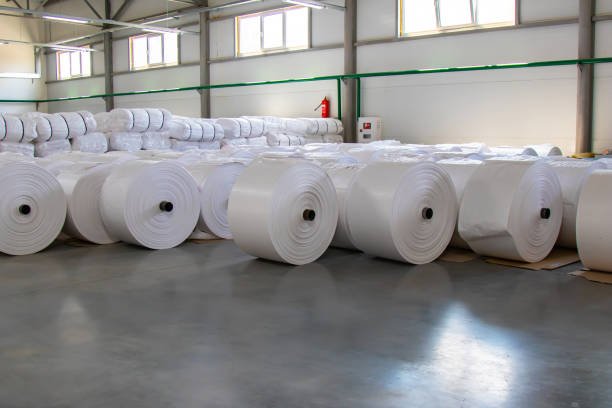
The global industrial sector is continuously evolving with the introduction of advanced synthetic materials that improve durability, flexibility, and operational efficiency. Among these materials, polyethylene yarn has become one of the most widely used solutions across multiple industries. Known for its lightweight structure, high strength, and resistance to environmental conditions, polyethylene yarn is transforming modern industrial manufacturing.
From agriculture and packaging to construction and industrial fabrics, businesses are increasingly depending on polyethylene yarn to create durable and cost-effective products. As industries continue to demand materials that offer long-lasting performance with minimal maintenance, polyethylene yarn is emerging as a reliable solution for modern manufacturing requirements.
The growing adoption of synthetic yarn technologies is also driving innovation among manufacturers, leading to the development of specialized products tailored for industrial and commercial applications.
What Is Polyethylene Yarn?
Polyethylene yarn is a synthetic yarn manufactured using polyethylene polymers through advanced extrusion and processing techniques. It is widely recognized for its:
- High tensile strength
- Lightweight structure
- Moisture resistance
- Chemical resistance
- Flexibility
- Durability
These qualities make polyethylene yarn suitable for a wide range of industrial applications where strength and environmental resistance are essential.
Today, industries across the globe rely on premium-quality polyethylene yarn for manufacturing products that require superior durability and performance.
Why Polyethylene Yarn Is Gaining Popularity
Modern industries require materials capable of performing under harsh environmental conditions while maintaining structural integrity. Polyethylene yarn offers several advantages that make it highly preferred in industrial manufacturing.
1. Exceptional Durability
Polyethylene yarn is highly resistant to wear and tear, making it suitable for long-term industrial use.
2. Moisture and Chemical Resistance
Unlike many conventional materials, polyethylene yarn performs effectively even when exposed to:
- Water
- Chemicals
- UV rays
- Extreme weather conditions
This resistance increases product lifespan and reduces maintenance costs.
3. Lightweight Yet Strong
One of the major advantages of polyethylene yarn is its ability to provide excellent strength while remaining lightweight. This improves handling and transportation efficiency.
4. Cost-Effective Manufacturing
Polyethylene yarn helps manufacturers optimize production costs because of its durability and efficient large-scale production capabilities.
Major Applications of Polyethylene Yarn
The versatility of polyethylene yarn has expanded its use across numerous industrial sectors.
Agriculture Industry
Agriculture is one of the largest sectors utilizing polyethylene yarn for products such as:
- Shade nets
- Crop protection nets
- Agricultural ropes
- Fencing systems
- Greenhouse applications
Its ability to withstand outdoor environmental conditions makes it highly suitable for agricultural use.
Packaging Industry
Industrial packaging solutions often require materials that are strong, lightweight, and resistant to damage. Polyethylene yarn is widely used in:
- Packaging fabrics
- Industrial sacks
- Protective covers
- Tarpaulins
These products benefit from the yarn’s strength and weather resistance.
Construction Sector
The construction industry uses polyethylene yarn in:
- Safety nets
- Reinforcement fabrics
- Geotextiles
- Industrial ropes
Its durability and flexibility improve product reliability in demanding construction environments.
Marine and Fishing Applications
Polyethylene yarn is also extensively used in marine industries because of its excellent water resistance and long-lasting performance.
Common applications include:
- Fishing nets
- Marine ropes
- Protective barriers
- Aquaculture products
The Growing Demand for Synthetic Fiber Solutions
Industries today are increasingly looking for reliable synthetic materials that combine performance with efficiency. This growing demand has encouraged manufacturers to invest heavily in advanced production technologies.
Trusted synthetic fiber manufacturers are developing innovative yarn solutions that meet modern industrial requirements while maintaining high quality standards.
Leading manufacturers focus on:
- Product consistency
- Technical innovation
- Advanced machinery
- Sustainable production
- Customized solutions
These factors are helping industries improve operational performance and product durability.
Relationship Between Polyethylene Yarn and BCF Yarn
While polyethylene yarn is widely used in industrial applications, BCF yarn remains highly important in the textile and flooring industry.
Manufacturers often rely on high-quality bcf yarn for:
- Carpet manufacturing
- Automotive flooring
- Artificial grass
- Upholstery products
BCF yarn offers excellent texture, softness, and resilience, making it ideal for flooring applications.
Together, polyethylene yarn and BCF yarn are supporting innovation across multiple manufacturing sectors.
Sustainability in Polyethylene Yarn Manufacturing
Sustainability has become a critical focus area for modern manufacturers. Industries are under increasing pressure to reduce environmental impact while maintaining production efficiency.
Manufacturers are now adopting eco-conscious practices such as:
- Energy-efficient production systems
- Waste reduction technologies
- Recyclable materials
- Sustainable manufacturing processes
These initiatives are helping businesses align with global environmental standards while improving long-term operational sustainability.
Sustainable manufacturing practices are also becoming an important factor for customers and business partners when selecting suppliers.
Technological Advancements Driving the Industry
Advanced technology is significantly improving the quality and efficiency of polyethylene yarn production.
Modern innovations include:
- Precision extrusion systems
- Automated quality control
- Advanced polymer engineering
- High-speed manufacturing equipment
- Improved UV stabilization technologies
These advancements help manufacturers produce yarns with:
- Better consistency
- Enhanced durability
- Improved flexibility
- Greater environmental resistance
Technology is also enabling greater customization based on industry-specific requirements.
Why Industries Prefer Synthetic Yarns Over Traditional Materials
Synthetic yarns have several advantages over traditional natural materials in industrial environments.
Longer Lifespan
Synthetic yarns resist moisture, chemicals, and abrasion more effectively, leading to longer product durability.
Better Performance
Industrial synthetic yarns provide superior strength and flexibility for demanding applications.
Lower Maintenance
Products made from synthetic yarn generally require less maintenance and replacement.
Greater Versatility
Manufacturers can customize synthetic yarn properties based on specific industrial needs.
These advantages continue to drive the global shift toward synthetic materials in manufacturing.
Future of Polyethylene Yarn in Industrial Manufacturing
The future of polyethylene yarn looks highly promising due to increasing industrialization and infrastructure development worldwide.
Several industries are expected to drive future market growth:
- Agriculture
- Construction
- Packaging
- Marine industries
- Geotextiles
- Industrial textiles
As businesses continue to prioritize durability, efficiency, and sustainability, the demand for high-performance polyethylene yarn solutions will continue to increase.
Manufacturers investing in advanced technologies and sustainable production methods will likely lead the market in the coming years.
Choosing the Right Yarn Manufacturer
Businesses selecting a yarn supplier should evaluate several key factors:
- Product quality standards
- Manufacturing capabilities
- Industry experience
- Technical support
- Sustainability initiatives
- Delivery reliability
Working with experienced manufacturers ensures consistent product performance and long-term business success.
Reliable suppliers can also help businesses choose customized yarn solutions based on their specific industrial requirements.
Conclusion
Polyethylene yarn has become an essential material in modern industrial and commercial manufacturing. Its lightweight structure, durability, and environmental resistance make it suitable for a wide range of applications, including agriculture, packaging, construction, and marine industries.
As global industries continue to evolve, the demand for high-performance synthetic yarns will continue to grow. Businesses partnering with trusted synthetic fiber manufacturers can benefit from advanced yarn technologies that improve operational efficiency, product durability, and long-term sustainability.
With continuous innovation and expanding industrial applications, polyethylene yarn is expected to remain a key component in the future of global manufacturing and industrial development.